
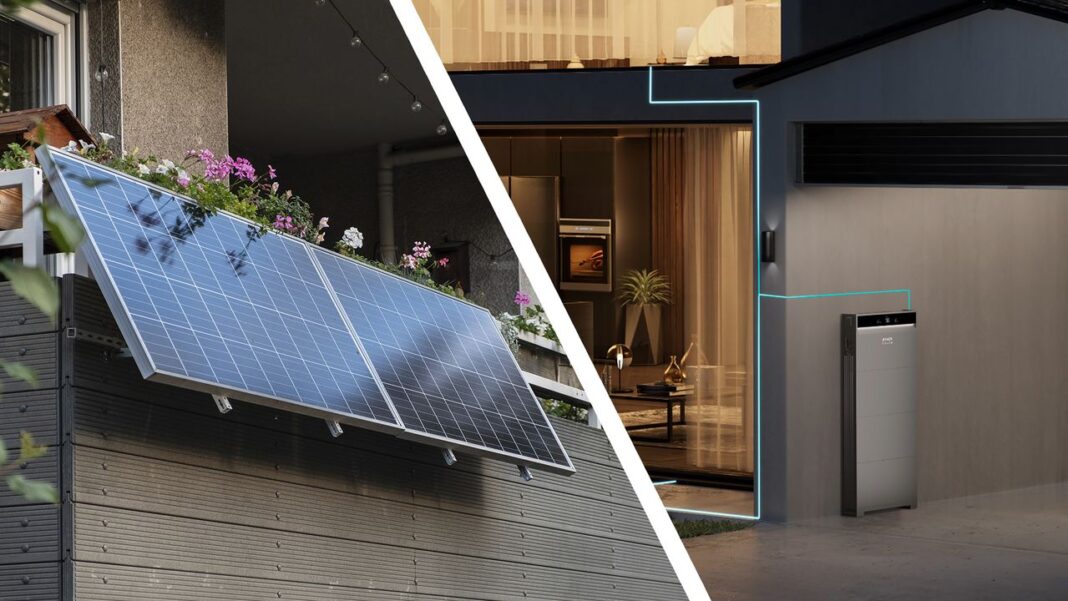

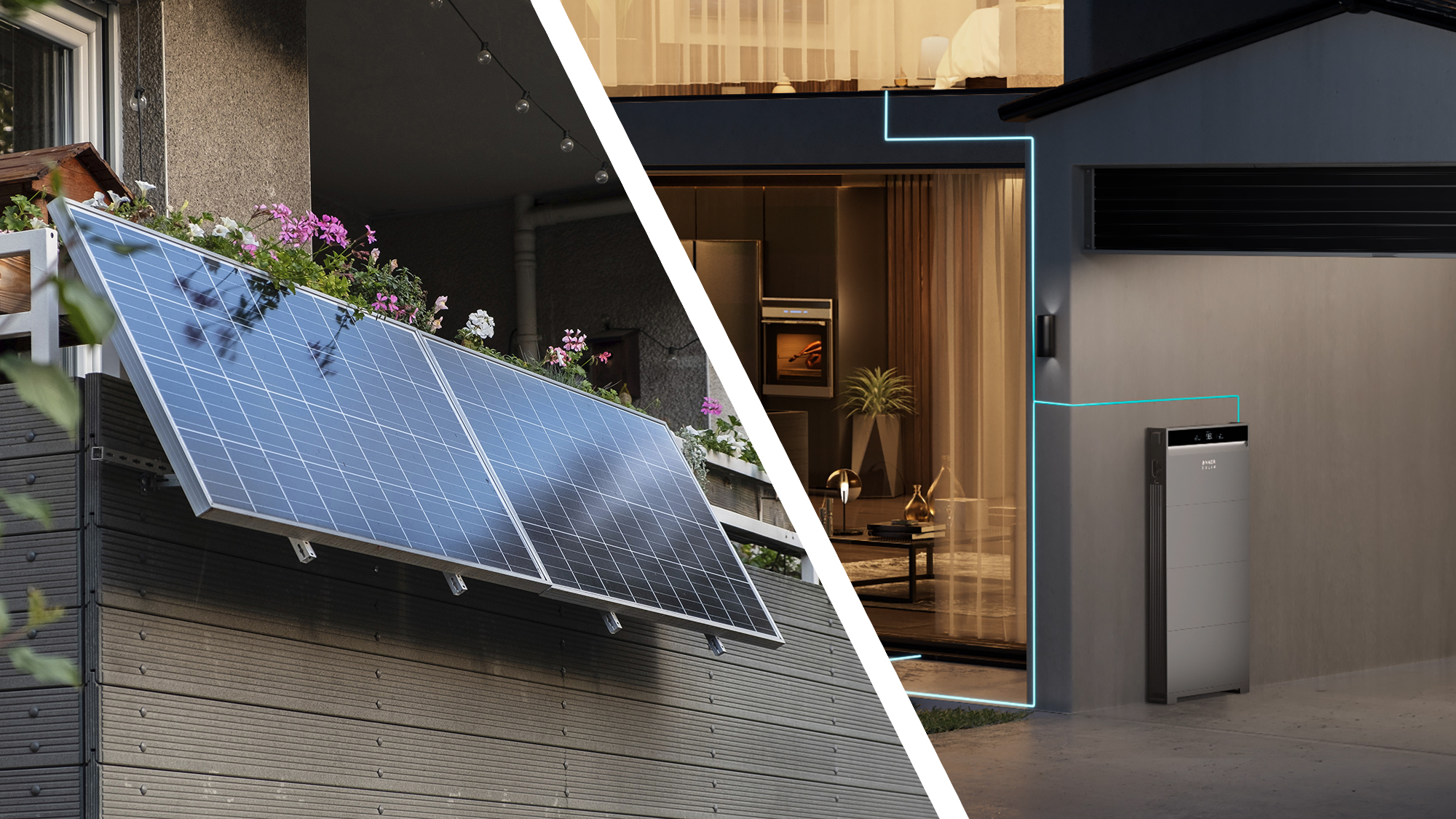
There’s no mistaking the growing momentum behind small-scale, low-cost solar panel installations: panels you can plug into a standard wall outlet, without the expense, time, or paperwork of a full rooftop installation.
Now widely established in Europe (where the tech is best known as ‘balcony solar’), we’re starting to see a wave of American states move towards legalizing these plug-in panels as well. Utah was the first in 2025, and there are now proposals in 30 other states to make the devices available to buy.
They’re perfect for renters as well as homeowners. You can take them with you if and when you move. Additionally, they offer some respite from the energy price crisis, and they’re becoming increasingly widely available.
At the same time, we’re seeing a record number of homes in the US installing battery energy systems, hooked up to rooftop solar or the grid — another way to reduce electricity costs and provide a backup for a creaking national power system. Here’s what’s happening with home energy tech right now, and where it’s going next.
Plug-in solar: the state of play
Utah set the ball rolling for plug-in solar in the US by passing House Bill 340 in March 2025. It means that portable solar panels or rooftop panels — up to a total capacity of 1,200 watts (typically four roof panels) can be plugged into a regular outlet. These panel systems use an integrated microinverter to convert the panels’ DC output into household AC, ready for use.
In the default setup, this means the energy produced by plugged-in ‘balcony’ panels will be taken up by your home appliances first, before they try to access the grid. While battery connectivity is possible, the general idea is that the energy isn’t stored anywhere — it’s just pushed into your home for use as needed.
Estimates suggest you can shave around 10% off your electricity bill, though this will vary a lot depending on factors like electricity prices and how much sunshine you get. You can think of it as a way of getting a sizable chunk off your bill, rather than something that’s going to replace the power grid entirely. The kits themselves start at around $500 and go up from there.
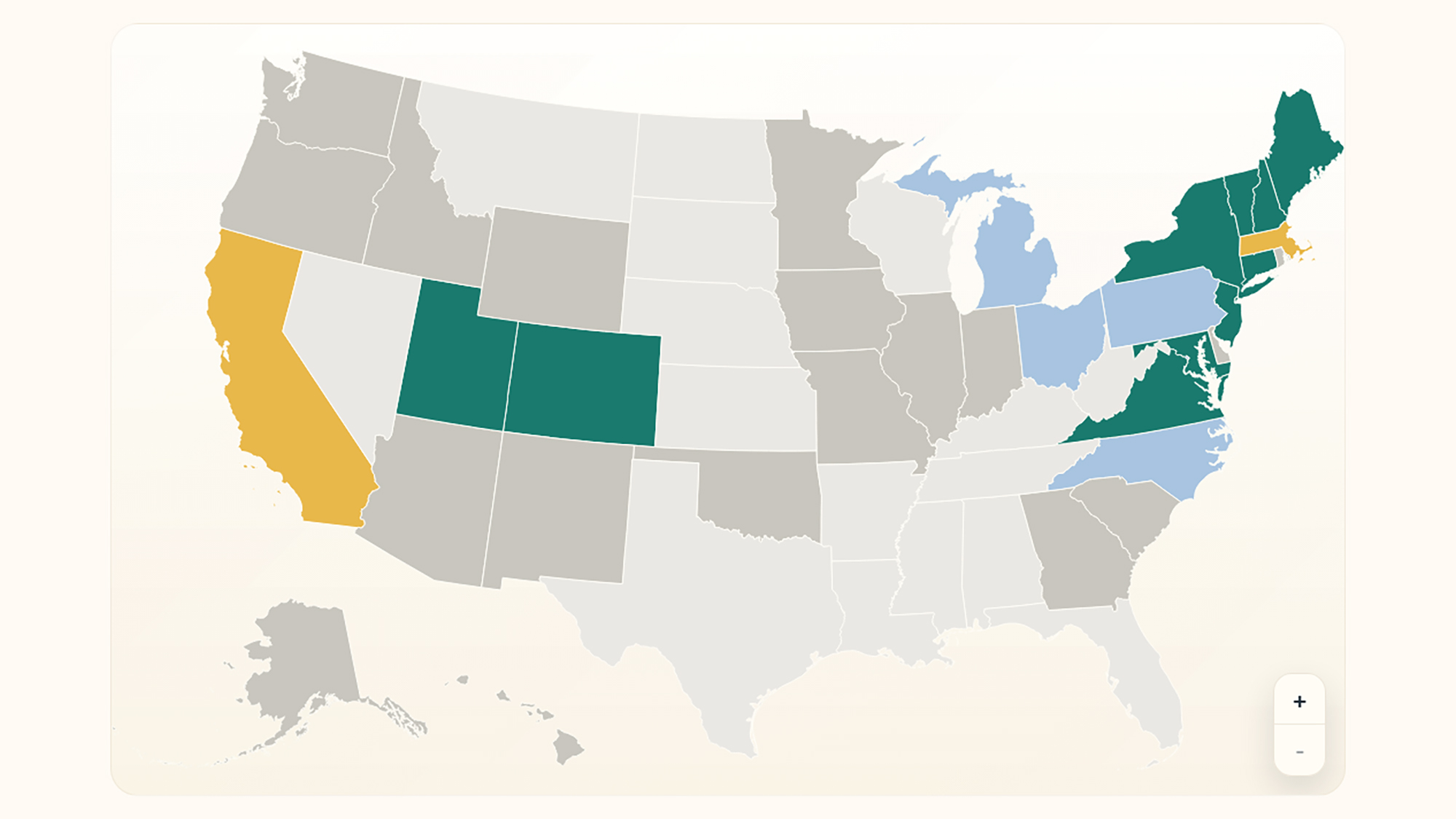
Now other states are following Utah’s lead. According to The Cool Down, more than 30 states have drafted some form of bill, while six states have already enacted related laws. You can keep track of what’s happening via the Bright Saver tracker, which provides updates for each state and a handy interactive graphic showing the overall picture.
You’ll notice quite a few states are at the ‘deferred’ stage, which means the decision on legislation has been put off to a later date. A lot of these deferrals are on safety grounds: the argument from utility companies is that feeding power into household wiring (rather than just taking it out) comes with risks, and that more needs to be done to protect both consumers and the power grid.
The UL 3700 safety certification, freshly put into place this year, should help here. Plug-and-play solar panels with this certification attached will have built-in safeguards to prevent systems from being overloaded and to stop power flowing back into lines. It’s a badge to look for if you’re buying this kind of equipment.
Home battery installations
Home battery tech is separate but related, and as Ars Technica reports, records are being broken for battery installations: 673 megawatts of energy storage were brought online in the first quarter of 2026, the highest that figure has ever been.
The key driver here matches up with plug-in solar: rapidly rising electricity costs. The batteries can either store energy from rooftop solar panels, or bank electricity at off-peak times ready to be used during on-peak times. Plus, these appliances offer protection against power outages and help save money.
Unlike plug-in solar panels, home batteries do require a professional installation, the cost of which can be added on top of a typical $10,000-and-up price of the battery itself. It’ll take years to pay that back in savings, but it will be paid back — it depends largely on whether you’re using solar panels, how many panels you’re using, and your home’s electricity demand.

There are even moves to tap into this stored energy to help meet the huge energy demands of AI. Companies including Tesla will pay you on an ongoing basis if you allow them to control when your battery charges up and releases power — helping to manage stress on the overall power grid, especially during peak times.
While today’s plug-in solar systems aren’t designed to connect to big home batteries directly — though they can certainly operate alongside each other in the same home — a selection of them now come with their own portable batteries. As both technologies get more common and issues like safety certifications get sorted out, it’s certainly plausible that future plug-in solar kits will be able to feed home batteries.
With the potential cost savings, worries over power grid reliability, and the increasingly convenient (and legal) ways to get all of this set up, it’s no wonder that plug-in solar and battery energy technology is growing in popularity — and all the signs are that these devices are likely to become much more widely used in the near future.

Follow TechRadar on Google News and add us as a preferred source to get our expert news, reviews, and opinion in your feeds.