


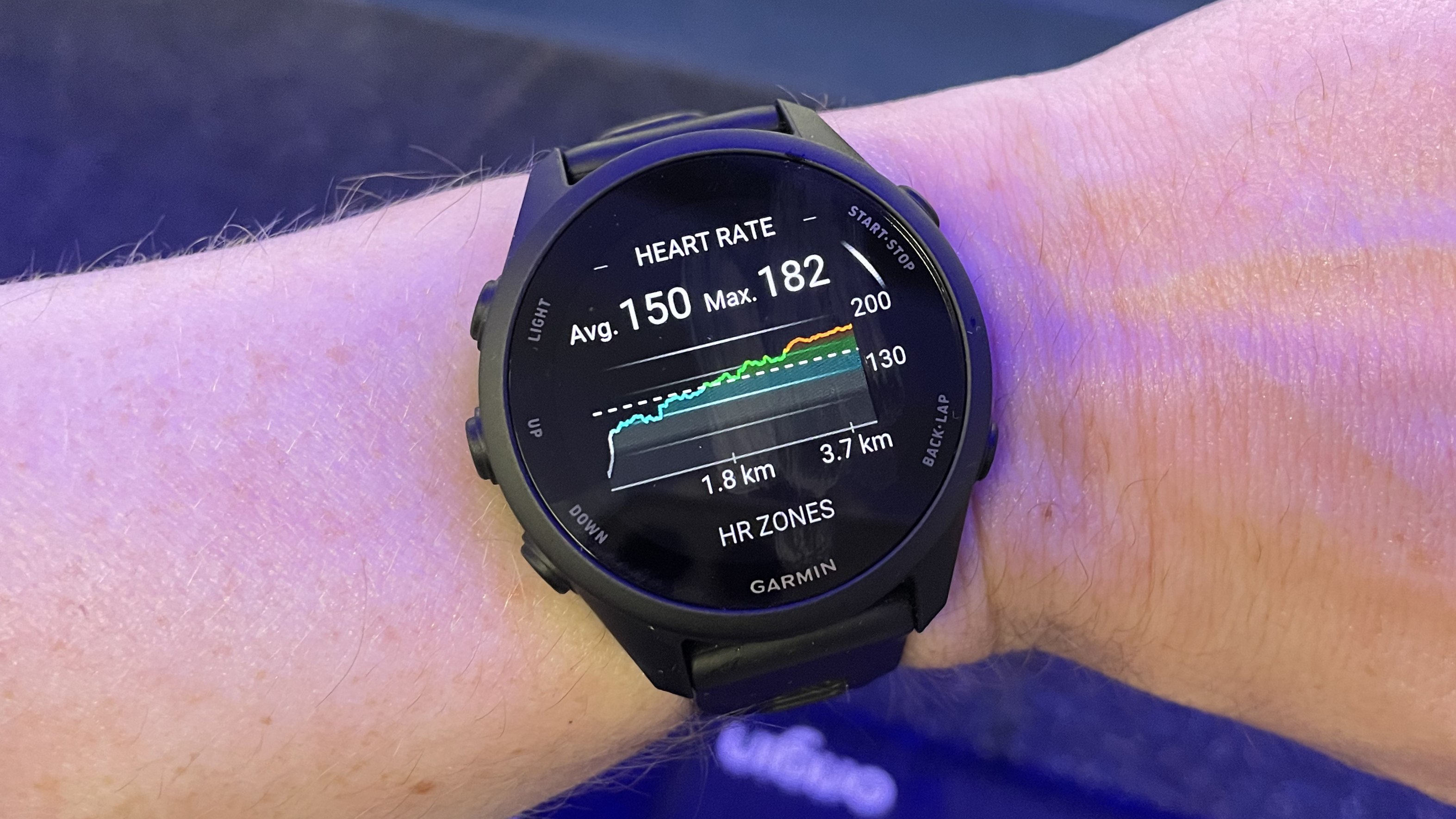
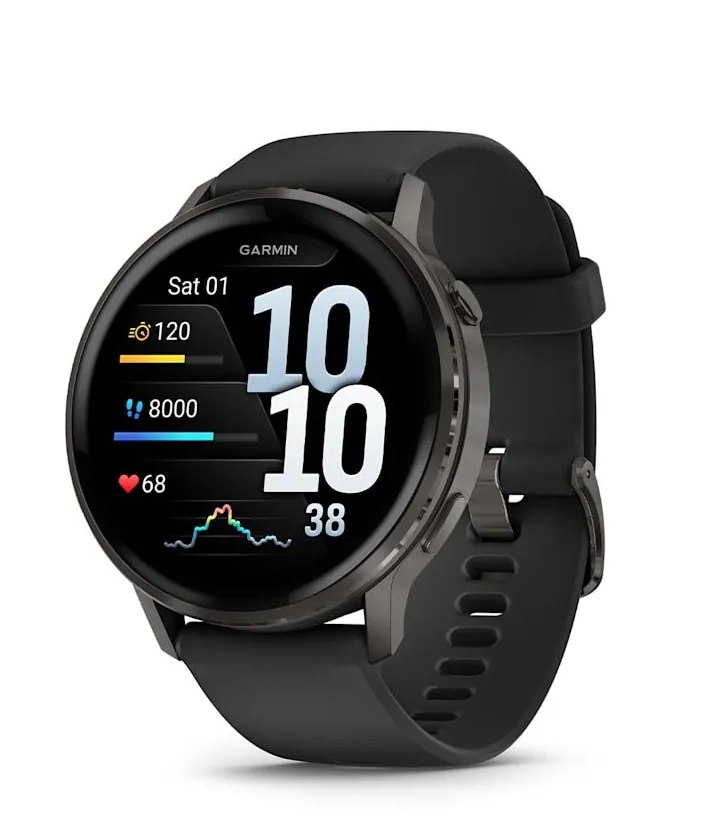
I’m currently testing the Garmin Forerunner 170 Music to see if it merits inclusion in our best Garmin watch list. It’s a recent release and stands as the successor to the excellent Garmin Forerunner 165, positioned as one of Garmin’s cheaper watches, costing $299 / £259.99 / AU$479 for the version without music storage and $349.99 / £299.99 / AU$549 for the version with music storage.
As a more affordable device (for Garmin, anyway), it’s made some concessions during construction, such as a cheaper plastic body without a metal bezel or back, and an older heart rate monitor, Garmin’s Elevate V4 model. The more accurate Elevate V5 is reserved for more expensive watches, such as the Garmin Fenix 8.
This did concern me. The Elevate V4 is getting a little long in the tooth, and I wanted to make sure the Forerunner 170 Music was still up to snuff in the accuracy stakes. After all, what’s the point of a running watch that isn’t accurate?
To find out whether it was accurate, I ran on the treadmill for 25 minutes while wearing both the Garmin Forerunner 170 and the Polar H10 electrical heart rate monitor, which I wore across my chest. The H10 is considered the gold standard of heart rate measurement, far more accurate than the Garmin Forerunner 170, and is my go-to when testing wearables.
Here are the results:
Garmin Forerunner 170 Music vs Polar H10: accuracy test
Swipe to scroll horizontally
Testing unit | Average heart rate | Maximum heart rate | Calories burned |
|---|---|---|---|
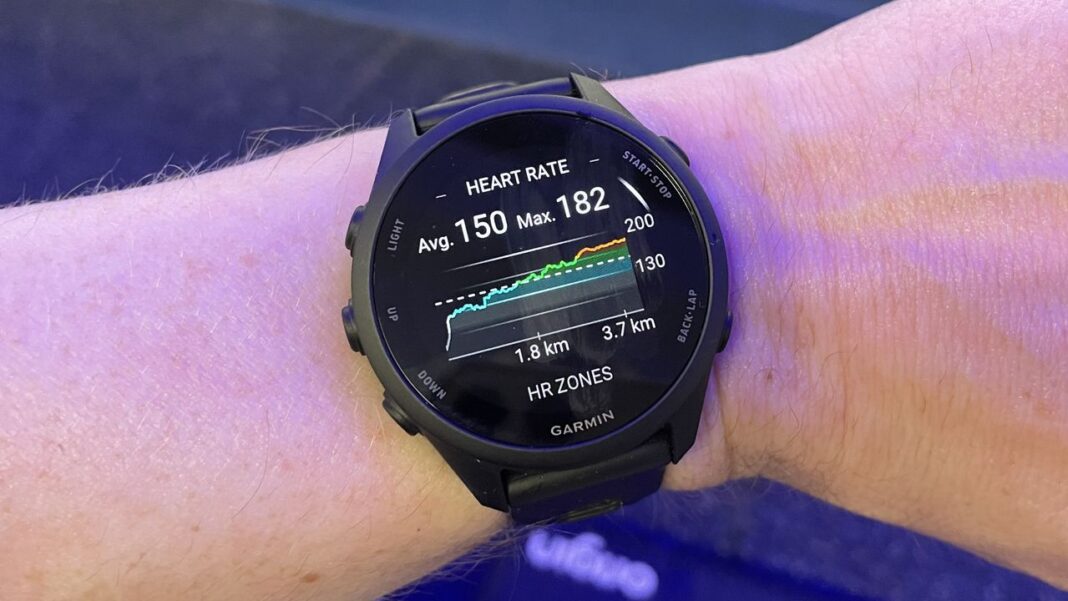
Garmin Forerunner 170 Music | 150bpm | 182bpm | 316 |
Polar H10 chest strap | 154bpm | 181bpm | 344 |
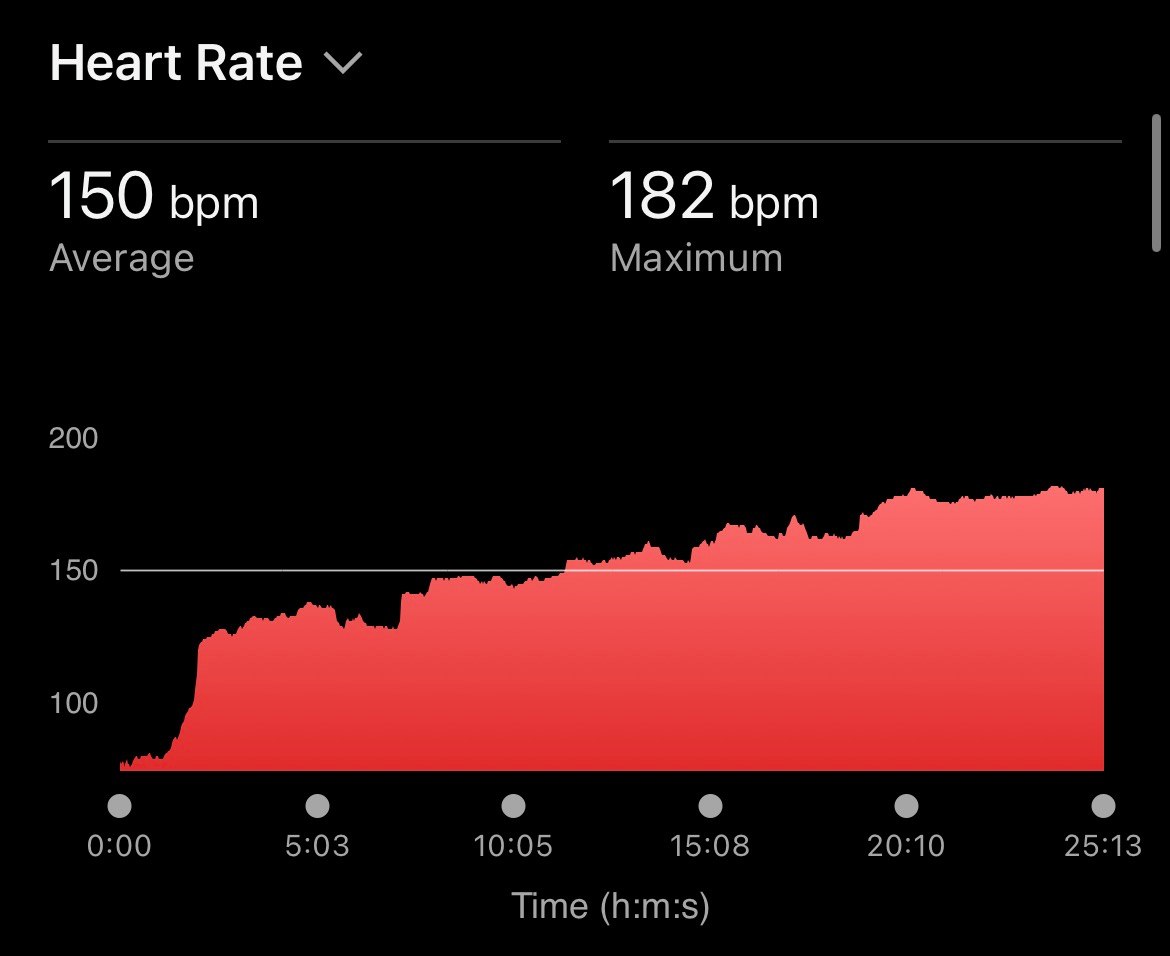
As you can see, they’re actually very close together in the heart rate categories, which is very encouraging. The Polar H10 chest strap read 154 bpm (beats per minute) as the ‘average’ heart rate across the workout, and 182 bpm as the maximum.
The Garmin Forerunner 170 Music recorded similar data, with a 150 bpm average and 182 bpm maximum. Both measurements were within 5 bpm of the Polar, a very acceptable margin of error.
Calories were a little different, but not by much. The Polar H10 recorded 344 calories burned, while the Garmin Forerunner recorded 316. This is under 10%, and other factors come into play here, such as the Garmin watch’s accelerometer, which the Polar doesn’t have — heart rate is only part of the story.
Based on these readings and the last few days of testing, I’m happy to say that the Garmin Forerunner 170 Music has proven very accurate so far. Stay tuned for my full review.

Follow TechRadar on Google News and add us as a preferred source to get our expert news, reviews, and opinion in your feeds. Make sure to click the Follow button!
And of course, you can also follow TechRadar on YouTube and TikTok for news, reviews, unboxings in video form, and get regular updates from us on WhatsApp too