

Huawei has unveiled a new flagship phone boasting entirely homegrown software that aims to give users an alternative to Google’s Android or Apple’s iOS, in another effort by the Chinese tech giant to defend against possible further sanctions by Washington.
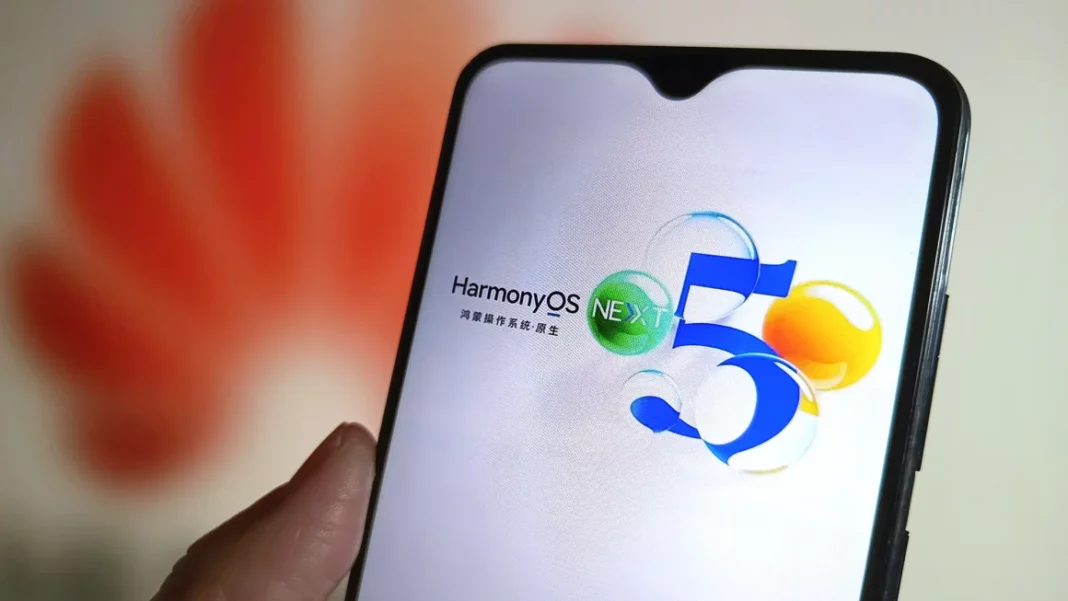
The new Mate 70 smartphone, which starts at 5,499 yuan ($760), features the HarmonyOS Next operating system, which no longer supports Android-based apps. It’s touted as a “pure-blooded” technology developed solely by Huawei’s engineers.
“This is our most powerful phone (in the Mate series),” Richard Yu, the chairman of Huawei’s consumer business, said during the Tuesday launch event. “We have always been copied but never surpassed.”
From next year, all of Huawei’s new phones and tablet devices would run on its own operating system, he added.
The Mate 70 is the successor to last year’s Mate 60 series, which shocked industry experts who couldn’t understand how the company could have the technology to make an advanced chip following sweeping efforts by the United States to restrict China’s access to foreign semiconductor technology.
The Mate 70 represents a “critical step” in Huawei’s software evolution, Lucas Zhong, research analyst at Canalys, told CNN.
The shift away from the Android ecosystem “will be essential for Huawei to maintain momentum in the premium segment, solidify consumer loyalty, and attract potential platform switchers,” he said.
That shift was made possible by the August 2023 launch of the Mate 60 Pro, which quickly became a symbol of the tech rivalry between the US and China. It also revived interest in Huawei’s high-end smartphone offerings.
According to Canalys, Huawei’s share of the Chinese market for phones costing more than $600 has grown from 11% in the third quarter of 2022 to 33% in the same period this year, in a remarkable reversal of fortune for the company. Over the same period, Apple’s share of the same high-end market fell from 72% to 52%.
Huawei, formerly the world’s second-largest maker of smartphones, had been fighting for survival since being hit by US export restrictions in 2019. The company’s woes later forced it to sell off its budget mobile brand, Honor, leaving it in bad shape.