

Image source, PA Media
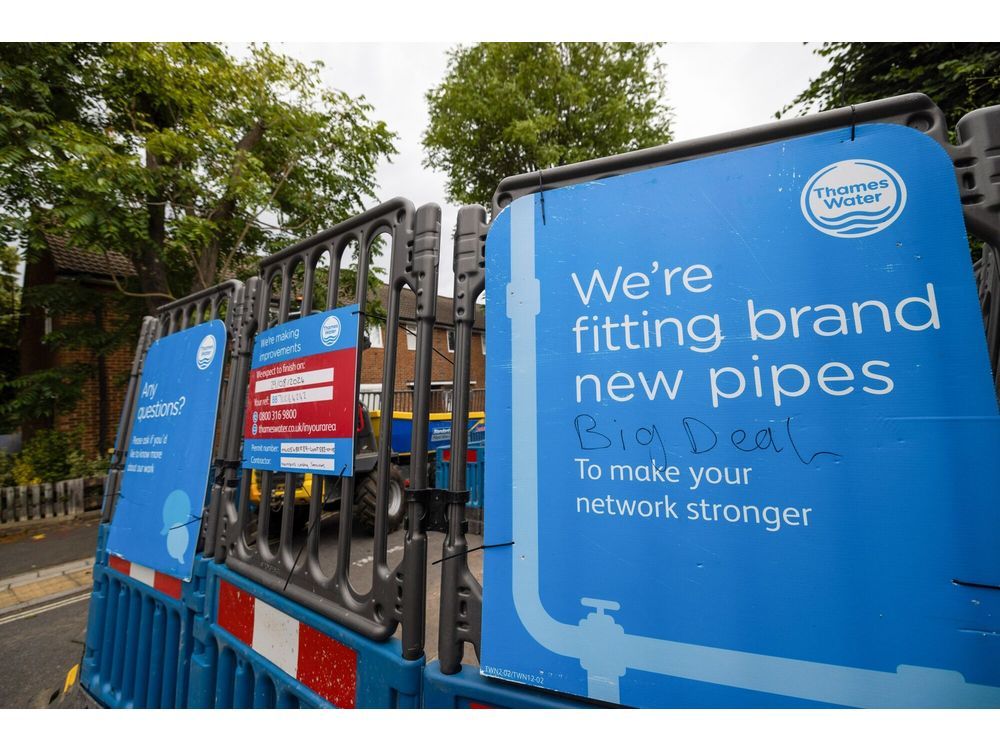
Thames Water, the UK’s biggest water company, is in financial crisis and has secured a rescue loan to avoid coming under government control.
However, creditors have won the right to challenge the High Court’s decision to allow £3bn funding and their appeal begins on Tuesday.
Even with the rescue deal, Thames still has huge debts and is struggling to fix leaks, sewage spills and modernise outdated infrastructure.
Thames serves about a quarter of the UK’s population, mostly across London and parts of southern England, and employs 8,000 people.
Without this latest financial lifeline, it had faced running out of money by the end of March.
How did Thames end up with so much debt?
Many UK water companies have large debts, but Thames Water’s problems are the worst.
Water companies were privatised in 1989, with the idea that private investment would improve the system.
But critics say this hasn’t happened – some companies have taken on too much debt and failed to invest in infrastructure.
When Thames was privatised in 1989, it had no debt. But over the years it borrowed heavily and now has debts of about £19bn.
Its debt pile increased sharply when Macquarie, an Australian infrastructure bank, owned Thames Water, with debts reaching more than £10bn by the time the company was sold in 2017.
Macquarie said it invested billions of pounds in upgrading Thames’s water and sewage infrastructure while it owned the company, but critics argue that it took billions of pounds out of the company in loans and dividends.
Will the rescue deal avert crisis for Thames?
Thames says the £3bn in emergency funding will give it the space needed to complete a restructuring of its debts and attract a cash injection from prospective new investors.
But the proposals had to be approved by the High Court after a group of creditors opposed it, arguing that the 9.75% interest rate on the loan was too costly.
However, that group of creditors is now appealing against the High Court’s decision.
If the funding deal had not been approved, Thames faced the possibility of a temporary nationalisation, under a measure known as a Special Administration Regime.
What will that mean for customers?
Even if Thames Water had come under special administration, customers would have seen no impact on their services. Taps would still have run and toilets still have flushed.
However, water bills in general are set to rise, with the rate at which they are due to increase set by the water regulator Ofwat.
Ofwat, the water regulator, says that Thames Water can increase bills by up to 35% – excluding inflation – over the next five years.
But the company says it needs a 53% rise to fix pipes and keep up with demand. It has appealed for permission to charge more.
Customers are unhappy. Consumer groups argue people shouldn’t have to pay more because the company has been badly run.
But Sir Adrian Montague, Thames Water’s chairman, has warned that without bigger price rises, the company cannot guarantee safe and resilient water supplies that can cope with climate change and population growth.
Who owns Thames Water now?
Thames Water is privately owned by a group of pension funds and investment firms. The biggest shareholders include:
Ontario Municipal Employees Retirement System (Canada) – 32%
Universities Superannuation Scheme (UK) – 20%
Abu Dhabi Investment Authority – 10%
China Investment Corporation – 9%
Other investors include funds from Canada, Australia, and the Netherlands.
Why was Thames Water privatised?
The entire water and waste sector was privatised 34 years ago under the late Margaret Thatcher’s Conservative government for £7.6bn. At the time, Mrs Thatcher wrote off the industry’s £5bn debt, leaving companies with a clean slate and gave them £1.5bn in public money.
The government had wanted to privatise the industry in 1984 but a public backlash against the plan saw it shelved until after the general election three years later. At the time, the UK was under pressure from Europe to improve the purity of its water.
However, meeting European standards would cost billions of pounds worth of investment which, it was hoped, would come from the private sector and, by extension, companies’ customers.
“If we want environmental improvement, it will cost money,” said Mrs Thatcher in 1988. “It will be the people who want those improvements in water who will have to pay.”
Former Labour MP Ann Taylor later said of privatising the water industry: “The message is always the same – maximise the cost to the consumer to ensure maximum return to the investor. We should not be surprised at that. After all, that is what private investors expect of their companies.”
Related topics