

Japan’s central bank has increased the cost of borrowing to its highest level in 17 years after consumer price rises accelerated in December.
The move by the Bank of Japan (BOJ) to raise its short-term policy rate to “around 0.5 per cent” comes just hours after the latest economic data showed prices rose last month at the fastest pace in 16 months.
The BOJ’s last interest rate hike in July, along with a weak jobs report from the US, caught investors around the world by surprise, which triggered a stock market selloff.
The bank’s governor, Kazuo Ueda, signalled this latest rate hike in advance in a bid to avoid another market shock.
According to official figures released on Friday, core consumer prices in Japan increased by 3% in December from a year earlier.
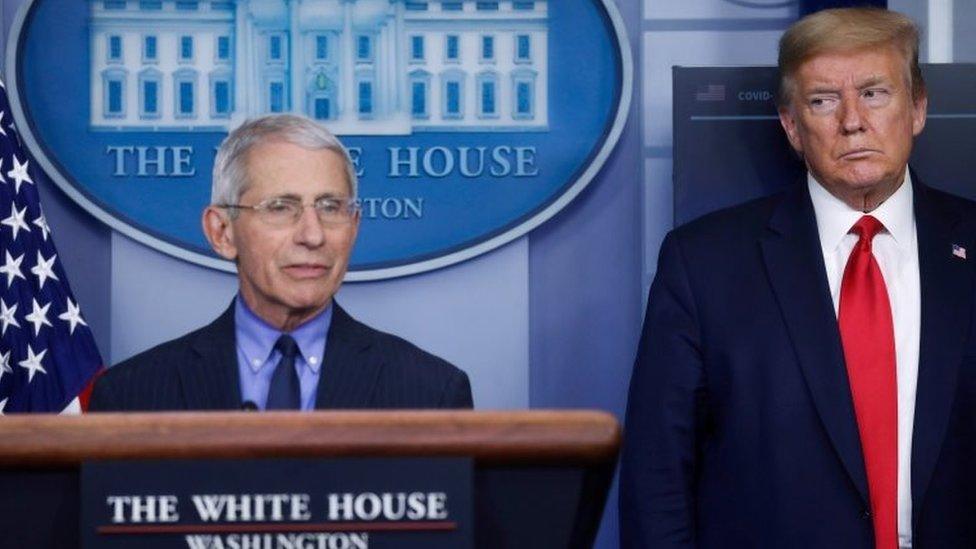
The decision marks the BOJ’s first rate hike since July and came just days after Donald Trump returned to the White House.
During the election campaign Trump threatened to impose tariffs on all imports into the US, which could have an impact on exporting countries like Japan.
By raising rates now the bank will have more scope to cut rates in the future if it needs to boost the economy.
The move highlights the central bank’s plans to steadily increase rates to around 1% – a level seen as neither boosting or slowing the economy.
The BOJ signalled that interest rates will continue to rise from ultra-low levels.
Neil Newman, the head of strategy at Astris Advisory Japan said: “rates will continue to rise as wages increase, inflation remains above 2% and there is some growth in the economy.”
“We look for another 25-basis point hike in six months,” said Stefan Angrick, a Japan economist at Moody’s Analytics.
Last year, the BOJ raised the cost of borrowing for the first time since 2007 after rates had been kept down for years as the country struggled with stagnant price growth.
That hike meant that there were no longer any countries left with negative interest rates.
When negative rates are in force people have to pay to deposit money in a bank. They have been used by several countries as a way of encouraging people to spend their money rather than putting it in a bank.