
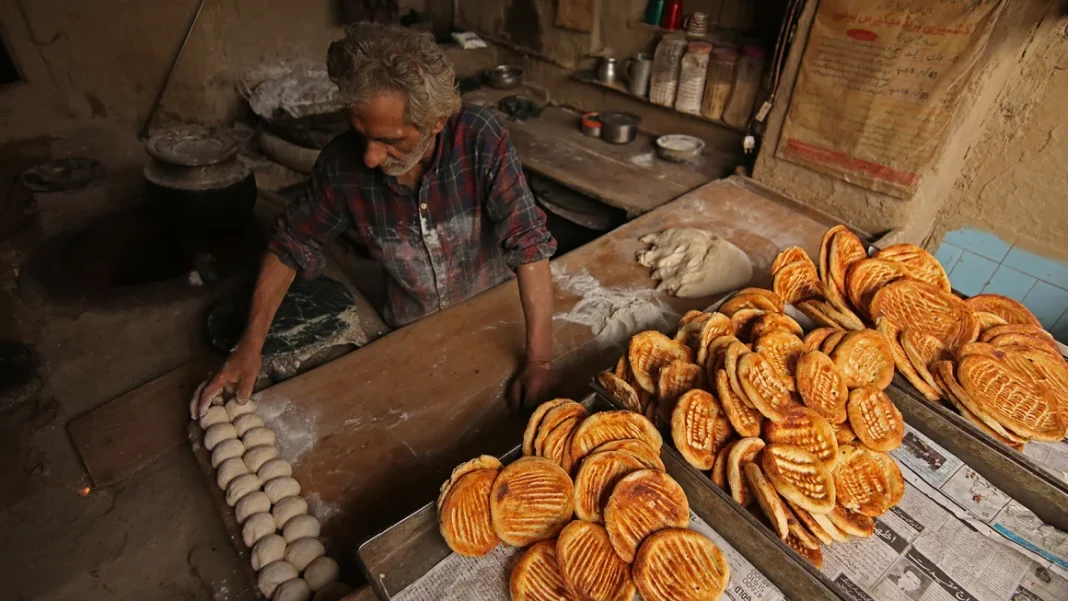

In Indian-administered Kashmir, long before the morning call to prayer reverberates across neighborhoods, the city of Srinagar’s kandurs, or bakers, have fired up their tandoor ovens.
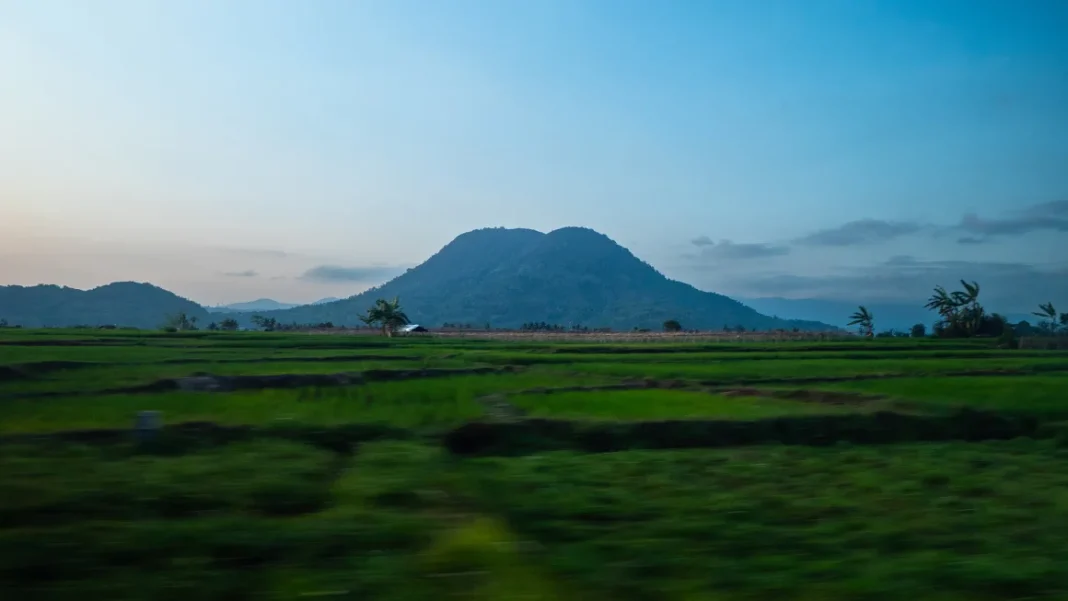
Located in the snowy Himalayas, at the northern tip of India, this disputed region between India and Pakistan is a paradise of snowy glaciers, ice-blue lakes, fir-lined mountains, and gushing, stormy rivers. So famed is its beauty that Mogul Emperor Jehangir once remarked, “If there is a heaven on earth, it’s here, it’s here, it’s here.”
Kashmir’s rich history includes the legacy of Buddhist pilgrims, Islamic rulers, Sikh dynasts and Central Asian Silk Road traders, who brought their arts, crafts and rituals to this treasured land that remains one of the world’s most militarized regions, marred with decades of conflict and violence.
But beyond the troubled state’s borders, few talk of the artisans who work with flour, water and ghee (clarified butter) to give Kashmiris their daily bread.
The region’s rich bread culture is a patchwork of the legacy of the Silk Road, an ancient trade route that connected Europe, the Middle East and Asia along the way. While rice is the staple that’s cooked in households across Kashmir, bread is what drives the local community and economy. Local bakeries churn out roughly 10 kinds of bread a day, each with its own peculiar ritual and time of day to be consumed.
With so much traditional knowledge guarded and passed down through generations, Kashmir’s bread culture could qualify for a UNESCO intangible heritage listing and possibly rival France’s boulangerie tradition. So why does no one talk about this culinary legacy?
Mehvish Altaf Rather, a Kashmir-based documentary filmmaker, tried to change that when she made her film “Kandurwan: Baking History,” in 2019. The piece offers a peep into life in the valley, of which the kandurwan (bakery) forms an integral part.
“I wanted to capture the daily life of Kashmiris and talk about the one thing that everyone can identify with, a love for food,” she tells CNN.
Bothered by the singular narrative around bloodshed and politics emerging from Kashmir, Mehvish turned to another aspect of local culture to tell a larger story.
“The identity of Kashmiris is constantly threatened, so bread is part of a culture that we hold onto very dearly,” she says, explaining how the kandurwan is a place of congregation and culture in Kashmiri society.
Kandurs, the traditional bakers of Kashmir, use clay tandoor ovens to prepare various breads. This baking tradition is similar to those found throughout Central Asia. The term “tandoor” comes from the Persian word “tanur,” meaning oven. Despite its ancient origins, the technique of using the clay oven for bread making has remained largely unchanged, deeply ingrained in Kashmiri culture.