

- Nikon announces two new Z-mount lenses for its APS-C cameras
- These are both firsts for the ‘DX’ range – an f/2.8 zoom and a macro lens
- Both optics are designed for video and still photography
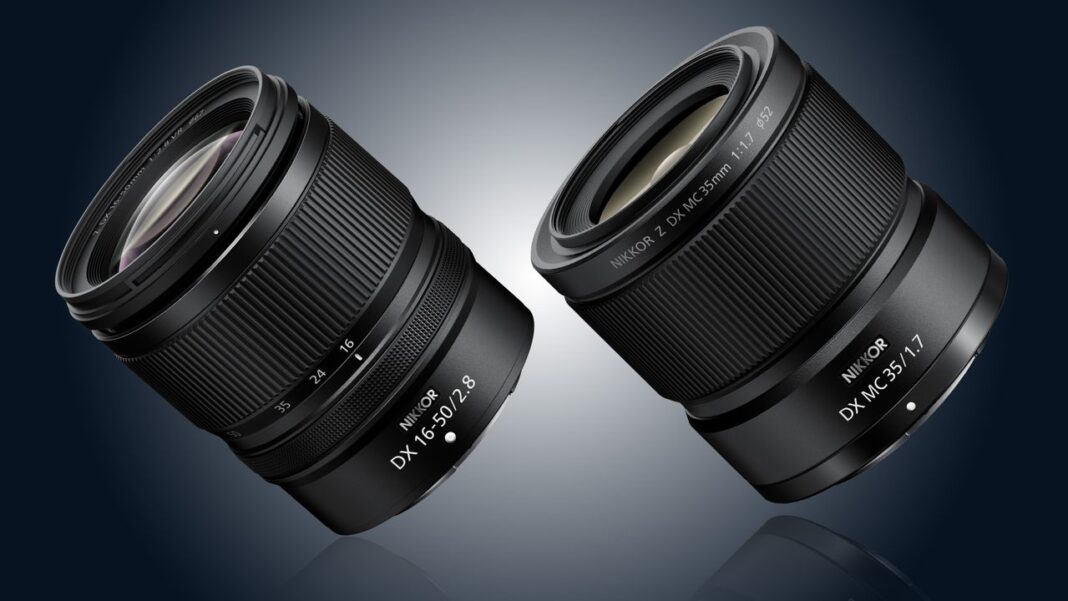
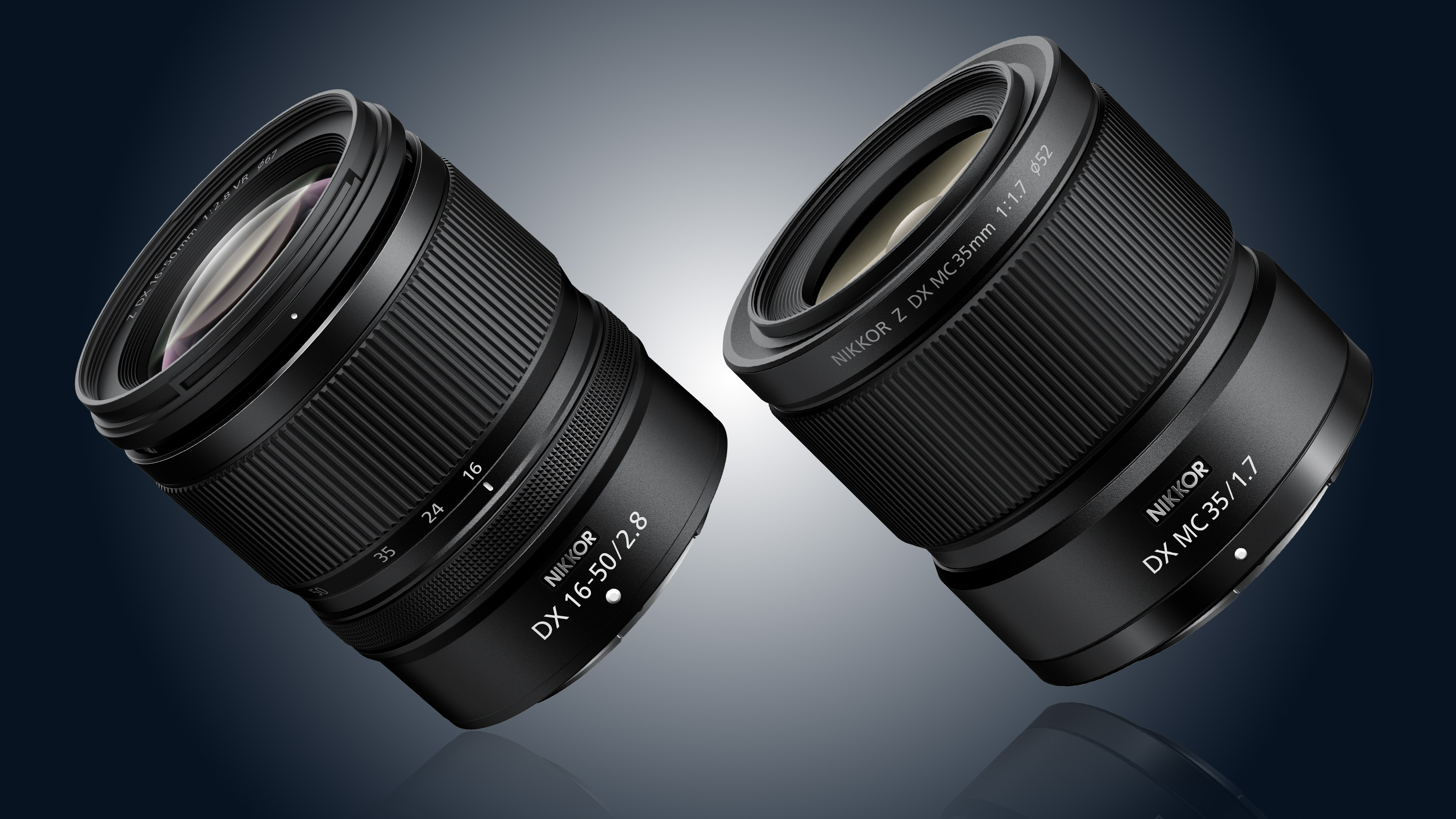
Nikon just announced its two latest Z-mount lenses, the Nikkor Z DX 16-50mm f/2.8 VR wide-angle zoom and the Nikkor Z DX MC 35mm f/1.7 macro lens, which is great news if you’re an avid user of Nikon’s entry-level models featuring an APS-C sensor, such as the recent Z50 II.
It’s about time, really – the lion share of Nikon’s lens announcements over the past couple of years have been for full-frame, largely leaving APS-C users out in the cold.
Back in the DSLR days, there was a significant number of ‘DX’ optics for the F-Mount, but mirrorless equivalents have proven slow to make an appearance. It’s a shame too, because DX doesn’t necessarily mean second best. Thankfully, Nikon has delivered two superb-looking mirrorless lenses for the format.
The smaller image circle enables diminutive lens designs and lower weight, but it doesn’t result in lower image quality. In fact, the Nikon Z DX 24mm f/1.7 even made it into our list of the Best Nikon Z lenses 2025.
The great aspect of the DX format is that wider maximum aperture settings and more complex optical designs can be incorporated at a fraction of the weight of a comparable full-frame lens (‘FX’ in Nikon terminology).
Thanks to the crop factor of the smaller APS-C sensors in DX cameras like the Nikon Z50 II, it’s possible to achieve a longer effective focal length (EFL) with a much shorter physical focal length design, as is the case with the new macro and f/2.8 zoom lenses.
Two new DX players enter the scene
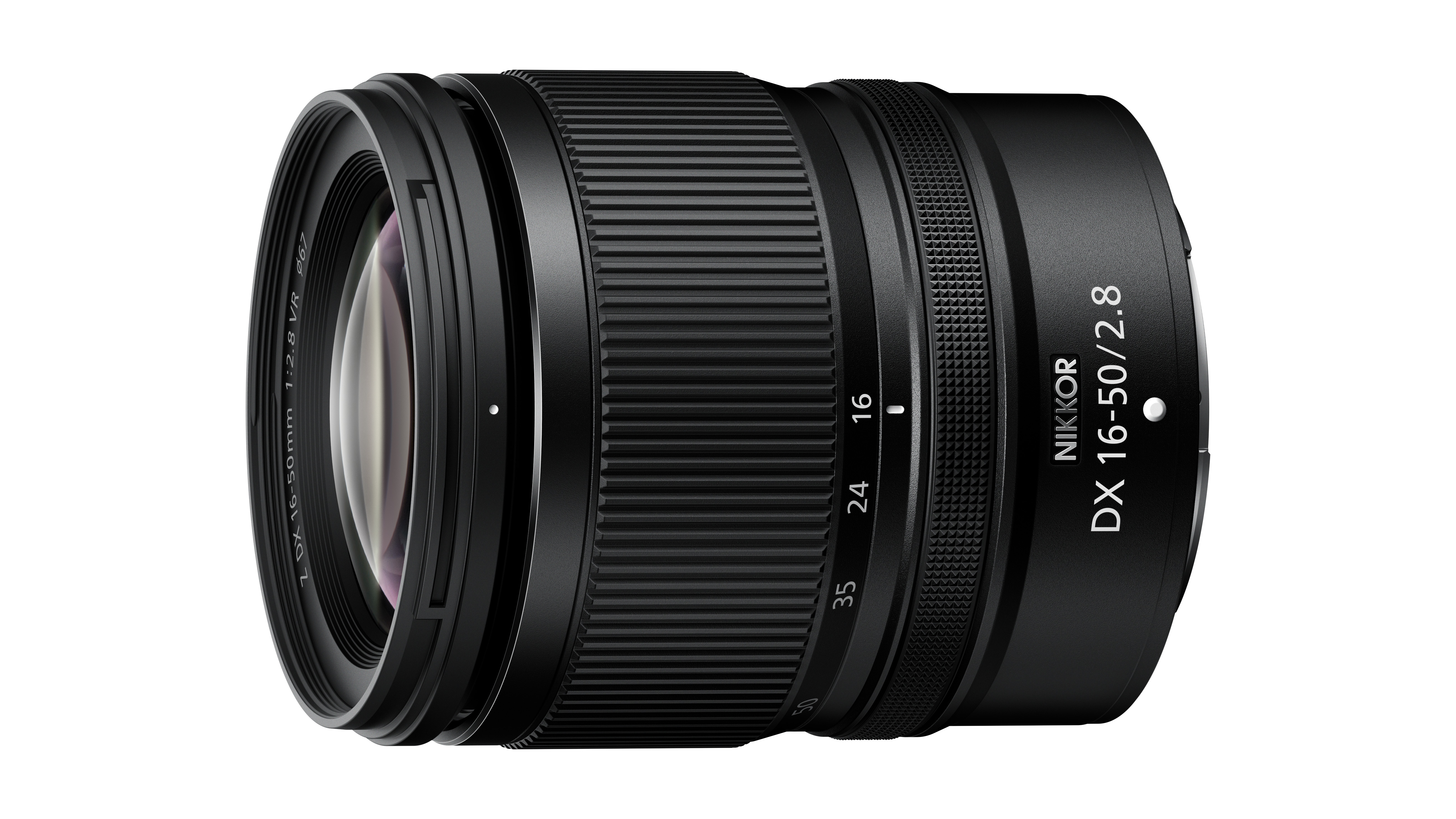
It’s for all of the above reasons that Nikon users will be welcoming the news that two lenses have been added to the line-up. The Nikkor Z DX 16-50mm f/2.8 VR is a first in being the inaugural f/2.8 zoom lens in the DX range. This range offers an equivalent 24-75mm focal range in full-frame terms, placing it firmly in the territory of a professional standard zoom. After all, the 24-70mm f/2.8 is considered an essential pro lens that finds a place in the camera bags of many working photographers, from landscape shooters to travel specialists and portrait experts.
One concern of using an APS-C camera for portraits is that depth-of-field is automatically extended at any given focal length, compared to the same setting on a larger sensor model. It’s an inescapable matter of physics rather than something that the manufacturer can control. However, the Nikkor Z DX 16-50mm f/2.8 VR has a trick up its sleeve in the shape of a very close minimum focus distance of just 0.15 m at 16mm and a mere 0.25 m at the 50mm end. This means the user can move in really close to their subject to help push the background out of focus, for a more high-end look.
The lens also features a useful optical Vibration Reduction (VR) system, which Nikon says can reduce camera shake by up to five stops. Combined with the bright constant f/2.8 aperture, this should make the new 16-50mm ideal for low-light photography, such as in the dim light of a church wedding, for example.
Meanwhile, the Nikkor Z DX MC 35mm f/1.7 macro is the Z-system’s debut DX-format macro optic. Unlike some other lenses, which claim to offer a ‘macro mode’, this lens is a true close-up performer, providing life-size magnification. Well, technically, the lens itself only reproduces the subject at 0.67x, but once you take that 1.5x crop factor into account, you get an equivalent view of a 1:1 life-size lens on a full-frame camera like the Nikon Z f or Nikon Z 5II.
The 35mm f/1.7 (equivalent 53mm) can focus all the way down to 0.16 m, which might actually prove to be impractical when shooting skittish subjects like insects, but once again, it will make for super-shallow depth-of-field when shooting wide open at f/1.7. Sharpness and distortion should hopefully be taken care of with the aspherical ED glass element.
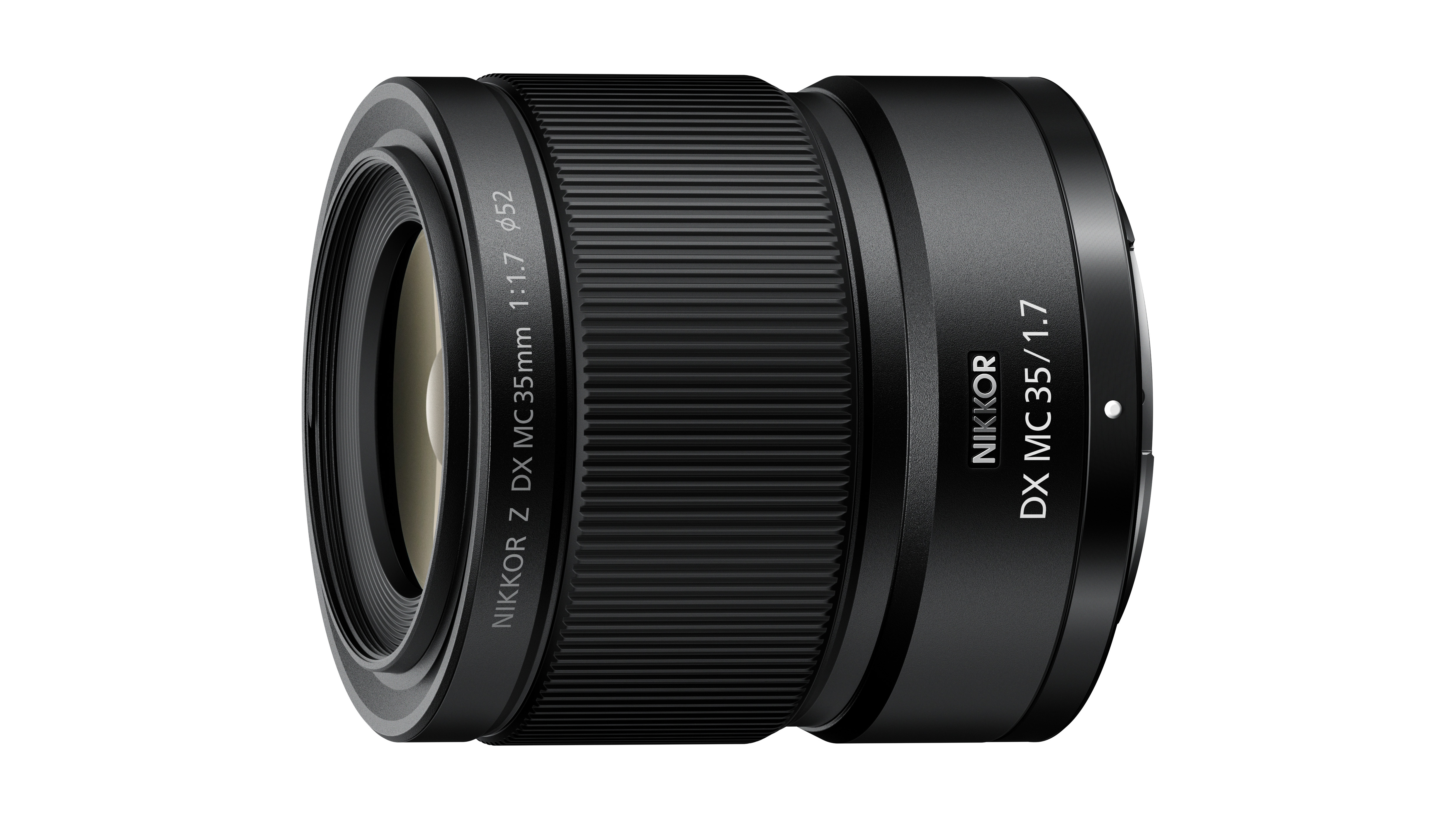
Both lenses are ultra-lightweight. The 16-50mm weighs in at only 330g, and the 35mm macro is a feather-like 220g, approximately. They are also designed to be video-friendly, according to Nikon, with fast and quiet autofocus and controlled focus breathing. I’ll be interested to test how effective this is once I get my hands on review samples.
With both models likely useful for everyday shooting, as well as more specialist functions, they should appeal to beginners and enthusiasts, who should be more reassured that Nikon intends to invest in developing this end of their product range.
“Our customers have been asking for more DX Z lenses, and we’ve been listening,” says Dirk Jasper, Product Manager at Nikon Europe. “With the introduction of a high-performance f/2.8 zoom lens and a fast macro lens, DX camera owners get two great opportunities to take the next step in their creative journey.”
Both lenses will be available from 30th October 2025. The Nikkor Z DX 16-50mm f/2.8 VR will cost $899.95 / £779, and the Nikkor Z DX MC 35mm f/1.7 will set you back $449.95 / £399 (Australia price TBC).
Follow TechRadar on Google News and add us as a preferred source to get our expert news, reviews, and opinion in your feeds. Make sure to click the Follow button!
And of course you can also follow TechRadar on TikTok for news, reviews, unboxings in video form, and get regular updates from us on WhatsApp too.