

- Microsoft has launched MAI‑Image‑1, its first in-house text-to-image model
- The model focuses on speed, photorealism, and flexibility, aiming to avoid repetitive visual tropes
- MAI-Image-I is coming soon to Copilot and Bing
Microsoft has just introduced MAI‑Image‑1, its first in-house text-to-image generator. By building the model in-house, Microsoft is staking a new claim, competing not only with industry heavyweights like Google’s Nano Banana and Midjourney, but also with its otherwise very close partner, OpenAI’s own line of AI image models.
MAI‑Image‑1 has already cracked the top 10 on the LMArena leaderboard, a public benchmarking platform where it’s the only place it’s available for now. That will change soon, however, as Microsoft says the model will soon be rolled into Copilot and Bing Image Creator.
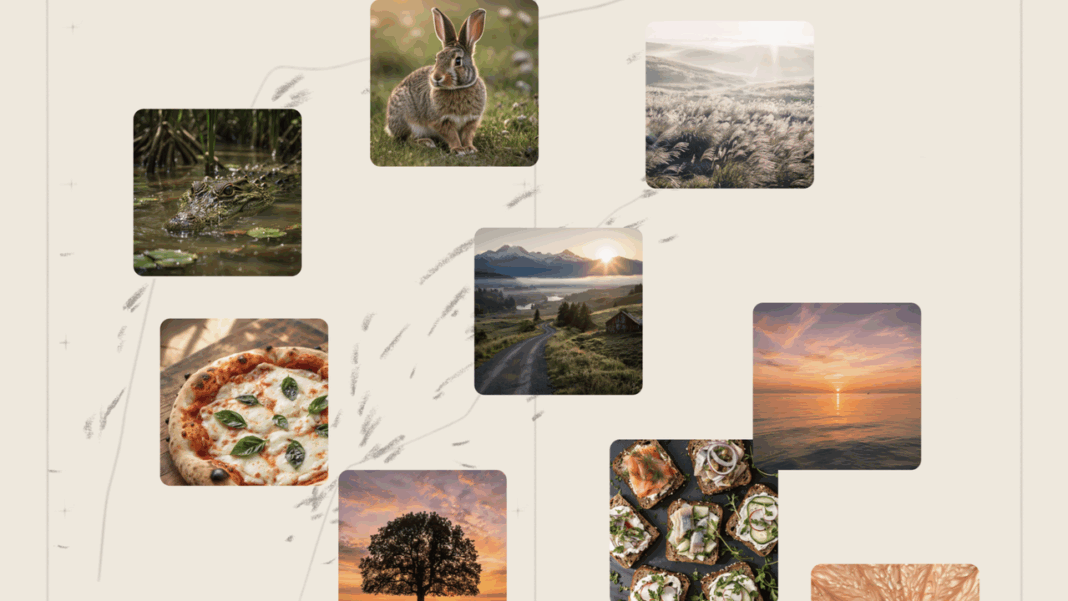
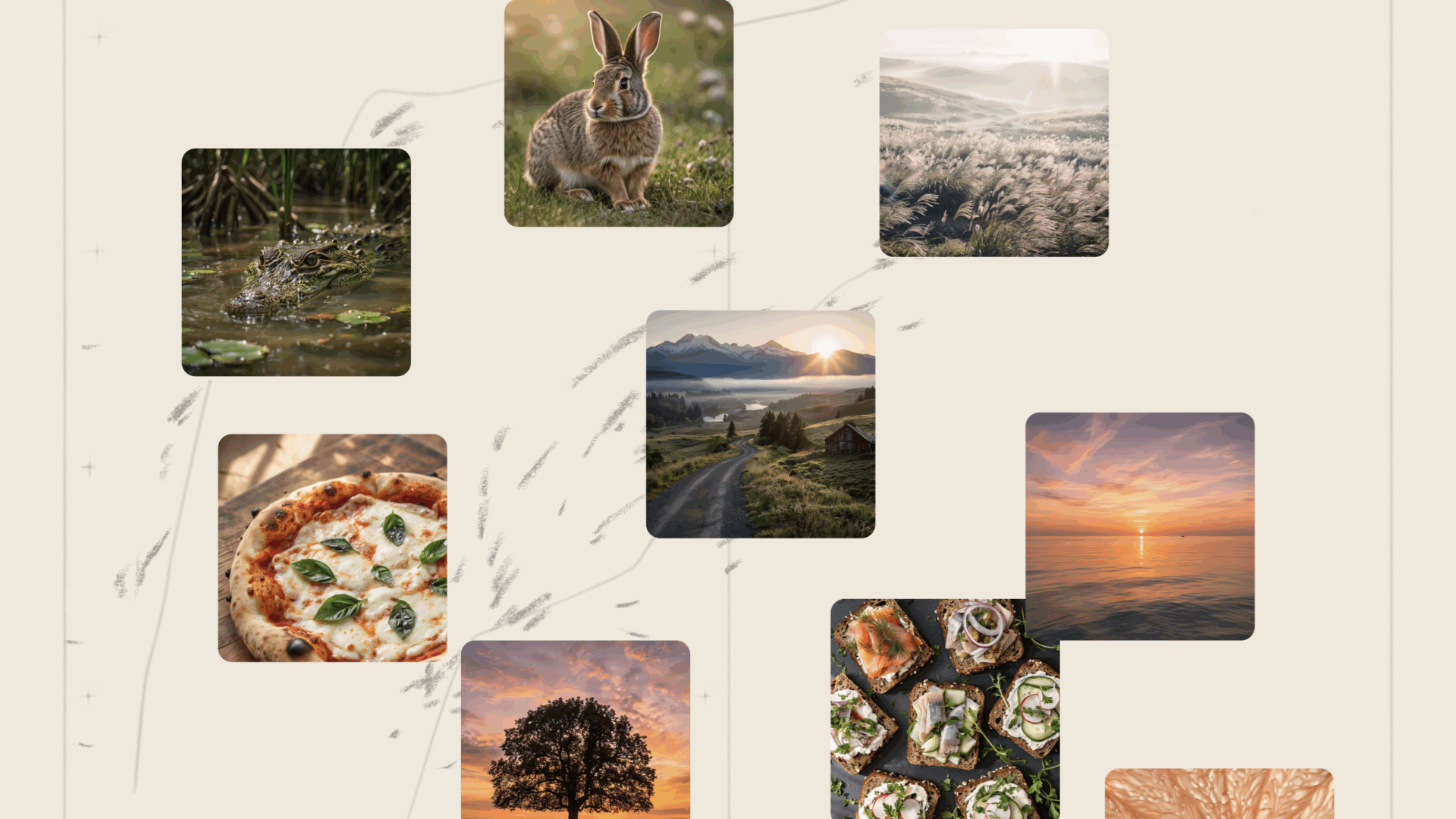
Microsoft is particularly proud of MAI-Image-1’s photorealistic production values and the controllable lighting and textures. The idea for the company was to offer AI images that don’t look like those made by other models, setting itself apart from the common aesthetic familiar to anyone who has seen many AI images, particularly of the ‘slop’ form proliferating on social media.
The key was to curate the training data and work with professional creatives to tune the model, testing it against how it would be used by the average person. Microsoft hopes MAI will make Midjourney or Stable Diffusion models seem erratic and slow by comparison.
Microsoft’s own AI images
Microsoft has been investing heavily in embedding AI in everything it makes, but that has mostly meant OpenAI tools.
That’s changing as of now, though. MAI-Image-1 now joins the MAI‑1 and MAI‑Voice‑1 homegrown language and speech models. MAI‑Image‑1 is the next puzzle piece.
Of course, the average person won’t notice any of that. They’ll just either like or be annoyed by whatever image Microsoft PowerPoint’s AI produces when they are building a presentation. The company says its focus on realism and usefulness means people will be quite pleased. There will be fewer dreamlike blobs and more images that actually work in documents, ads, and presentations.
Because the question isn’t “who has an image model?” It’s “who has a useful one that people will actually use in real tools?” That’s where Microsoft is gambling that MAI‑Image‑1 will shine.
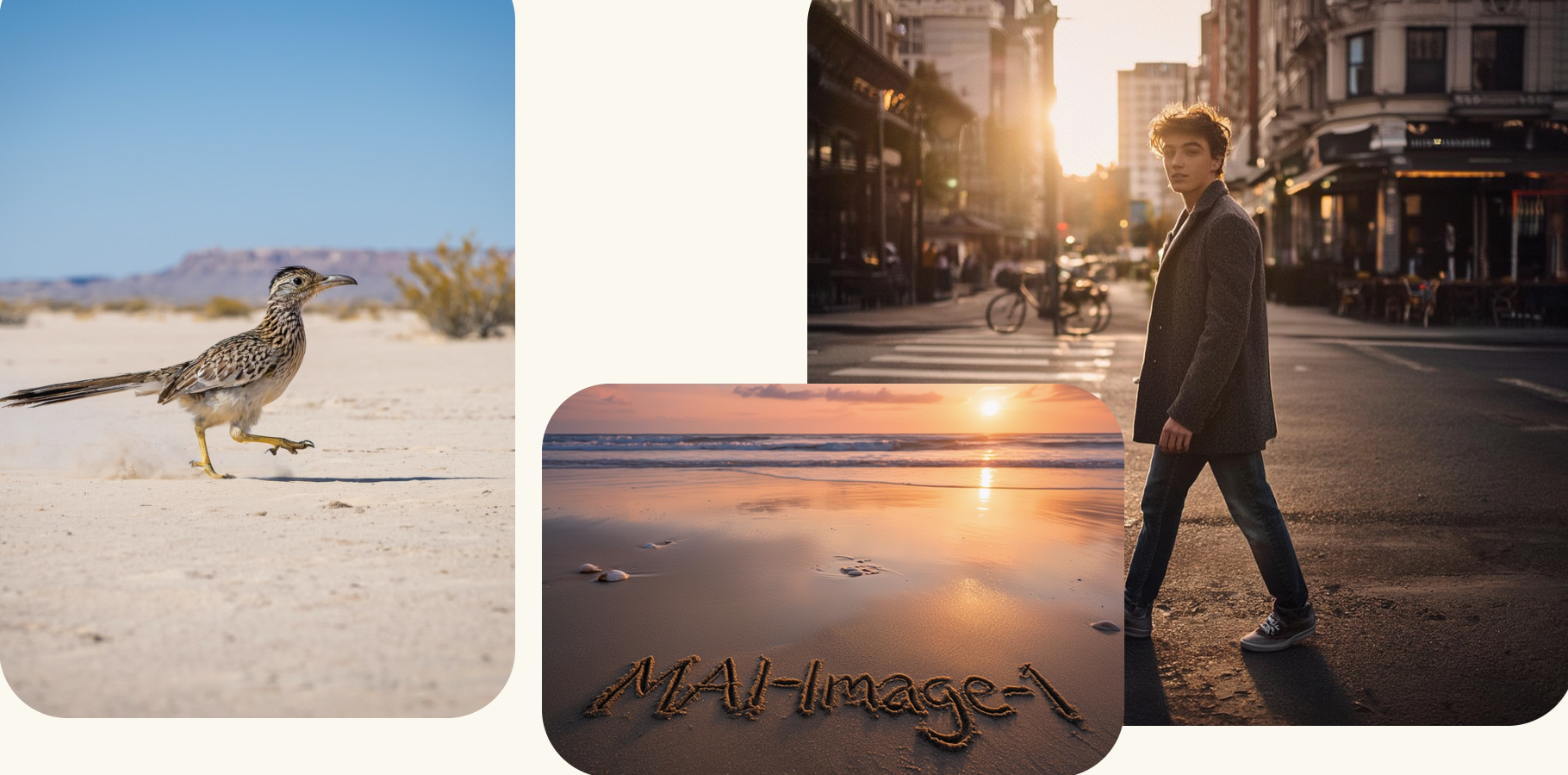
For creative professionals, this could mean a faster path from prompt to polished concept. For everyday users, it means fewer frustrating gaps between idea and execution. And for Microsoft, if users love the model, it makes the entire AI Copilot ecosystem more appealing. If it falls flat, it may need to turn back to OpenAI for help.
For now, though, it seems Microsoft’s era of relying on OpenAI is over. The future of AI tools will be about who builds them and where they appear as much as what they can actually do and what problems they solve. With MAI‑Image‑1, Microsoft is saying it wants to answer all those questions itself.
Follow TechRadar on Google News and add us as a preferred source to get our expert news, reviews, and opinion in your feeds. Make sure to click the Follow button!
And of course you can also follow TechRadar on TikTok for news, reviews, unboxings in video form, and get regular updates from us on WhatsApp too.